

Artificial Intelligence (AI) is no longer a futuristic concept—it is a powerful technology that is reshaping industries, improving efficiency, and changing the way people live and work. From virtual assistants and chatbots to advanced data analysis and automation, AI has become an essential part of modern life. Businesses across the globe are leveraging AI to streamline operations, enhance customer experiences, and drive innovation.
What Is Artificial Intelligence?

Artificial Intelligence refers to the simulation of human intelligence in machines. These systems are designed to learn from data, recognize patterns, solve problems, and make decisions with minimal human intervention. AI technologies enable computers to perform tasks that traditionally require human intelligence, such as speech recognition, language translation, and visual perception.
How AI Works
AI systems use algorithms, machine learning, and large datasets to identify patterns and improve performance over time. The more data an AI system processes, the more accurate and efficient it becomes.
Related Resources:
- Machine Learning Guide: https://yourwebsite.com/machine-learning-guide
- Data Science Basics: https://yourwebsite.com/data-science-basics
Types of Artificial Intelligence
Narrow AI
Narrow AI is designed to perform specific tasks. Examples include voice assistants, recommendation systems, and facial recognition software. This is the most widely used form of AI today.
General AI
General AI refers to systems capable of performing any intellectual task that a human can do. While researchers continue to work toward this goal, General AI has not yet been achieved.
Super AI
Super AI is a theoretical concept where machines surpass human intelligence in all aspects, including creativity, reasoning, and decision-making.
Benefits of Artificial Intelligence

AI offers numerous advantages for businesses and individuals alike.
Increased Productivity
AI automates repetitive tasks, allowing employees to focus on strategic and creative work.
Improved Decision-Making
By analyzing vast amounts of data, AI provides valuable insights that help organizations make informed decisions.
Enhanced Customer Experience
AI-powered chatbots and virtual assistants provide instant support, improving customer satisfaction and engagement.
Cost Reduction
Automation reduces operational costs and minimizes human errors, leading to greater efficiency.
Real-World Applications of AI
Healthcare
AI assists doctors in diagnosing diseases, analyzing medical images, and developing personalized treatment plans.
Education
Educational platforms use AI to create personalized learning experiences and improve student outcomes.
E-commerce
Online retailers utilize AI for product recommendations, inventory management, and customer service.
Finance
Banks and financial institutions use AI for fraud detection, risk assessment, and automated trading.
Explore More:
- Digital Transformation Strategies: https://yourwebsite.com/digital-transformation-strategies
- Future Technology Trends: https://yourwebsite.com/future-technology-trends
Challenges of Artificial Intelligence
Despite its advantages, AI also presents several challenges.
Data Privacy Concerns
AI systems often require large amounts of data, raising concerns about privacy and security.
Algorithmic Bias
If AI models are trained on biased data, they may produce unfair or inaccurate results.
Workforce Transformation
Automation can change job roles, requiring workers to develop new skills and adapt to evolving technologies.
The Future of AI
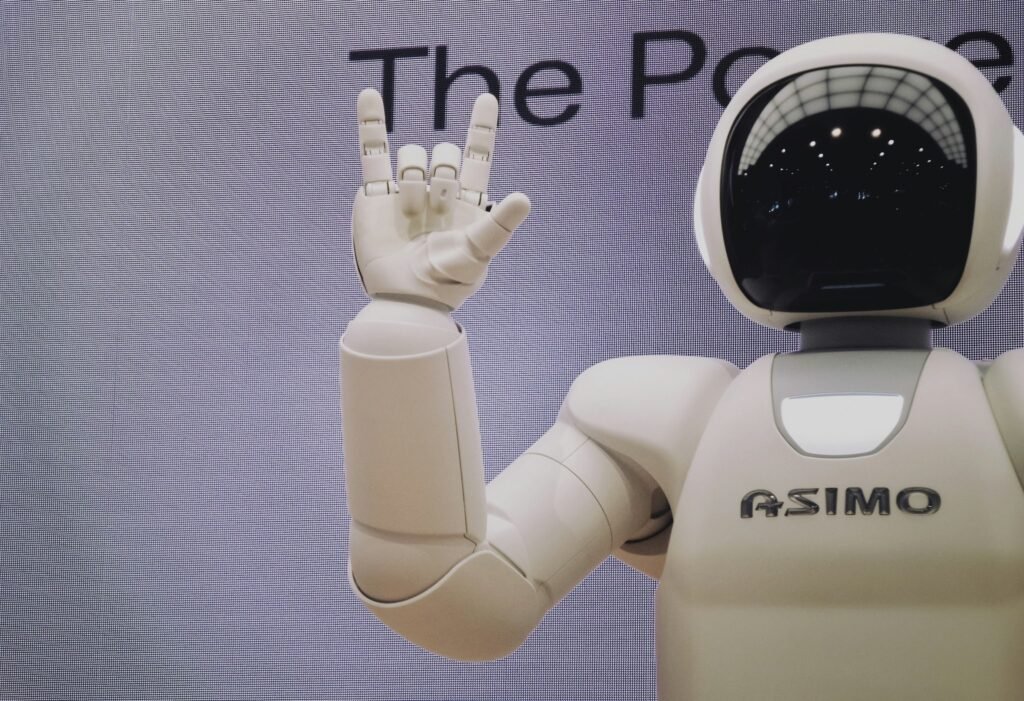
The future of Artificial Intelligence is filled with exciting possibilities. As technology advances, AI is expected to become more integrated into everyday life, supporting innovation in healthcare, transportation, education, and business. Organizations that embrace AI today will be better positioned to compete in an increasingly digital world.
External Resources
- OpenAI: https://openai.com
- Google AI: https://ai.google
- IBM Artificial Intelligence: https://www.ibm.com/artificial-intelligence
- MIT Technology Review: https://www.technologyreview.com
Conclusion
Artificial Intelligence is revolutionizing the way businesses operate and people interact with technology. Its ability to automate processes, analyze data, and improve decision-making makes it one of the most transformative innovations of the modern era. As AI continues to evolve, organizations and individuals who understand and embrace its potential will be better prepared for the future.
Frequently Asked Questions (FAQs)
1. What is Artificial Intelligence (AI)?
Artificial Intelligence (AI) is a branch of computer science that enables machines to perform tasks that normally require human intelligence, such as learning, reasoning, and problem-solving.
2. How does Artificial Intelligence work?
AI works through algorithms, machine learning models, and data analysis to identify patterns, learn from information, and make decisions.
3. What are the main types of AI?
The three primary types of AI are Narrow AI, General AI, and Super AI.
4. What are the benefits of Artificial Intelligence?
AI improves productivity, reduces costs, enhances customer experiences, and supports better decision-making.
5. Where is AI used today?
AI is widely used in healthcare, education, finance, e-commerce, manufacturing, transportation, and customer service.
6. Is Artificial Intelligence replacing jobs?
AI automates certain repetitive tasks, but it also creates new opportunities in technology, data science, and digital innovation.
7. What are the challenges of AI?
Key challenges include data privacy concerns, algorithmic bias, security risks, ethical issues, and workforce adaptation.
8. What is the future of Artificial Intelligence?
The future of AI includes smarter automation, advanced healthcare solutions, personalized learning, autonomous vehicles, and greater integration across industries.